Published Dec 3, 2021 · Updated Dec 6, 2021
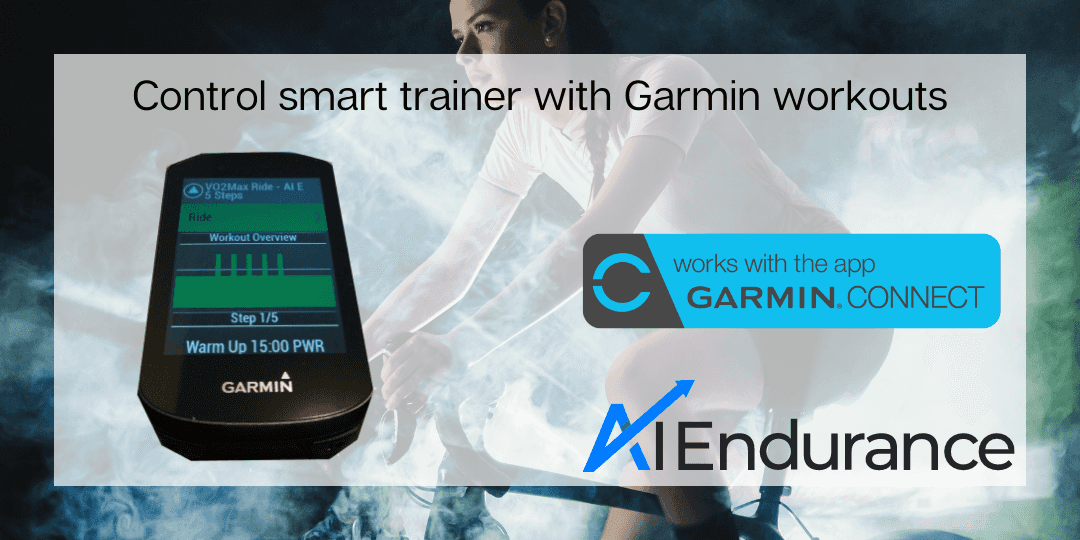
If you do not want to use Zwift or other virtual platforms, you can simply execute your AI Endurance cycling workouts by letting your Garmin control your smart trainer. For example, let your Garmin Edge 530 or Forerunner 945 control your Wahoo Kickr trainer. All smart trainers supporting the ANT+ FE-C protocol, including Tacx, are supported.
If you do not care too much for the entertainment that virtual cycling environments such as Zwift offer and simply want to get your indoor workouts done in a productive way, this is for you. And you get to save the Zwift subscription fee as well.
Here's how you do it:
Here's a video of how to set this up for the Garmin Edge 520:
AI Endurance is a training platform that optimizes and predicts your cycling performance. You tell us how much time you have to train and we find the optimal training composition based on your training data.
To get more information on how to control your smart trainer with your Garmin device please see:
Export your AI Endurance workouts to your Garmin Connect today and connect your Garmin device with your smart trainer. This is all you need to execute your personalized training plan and grow your FTP.
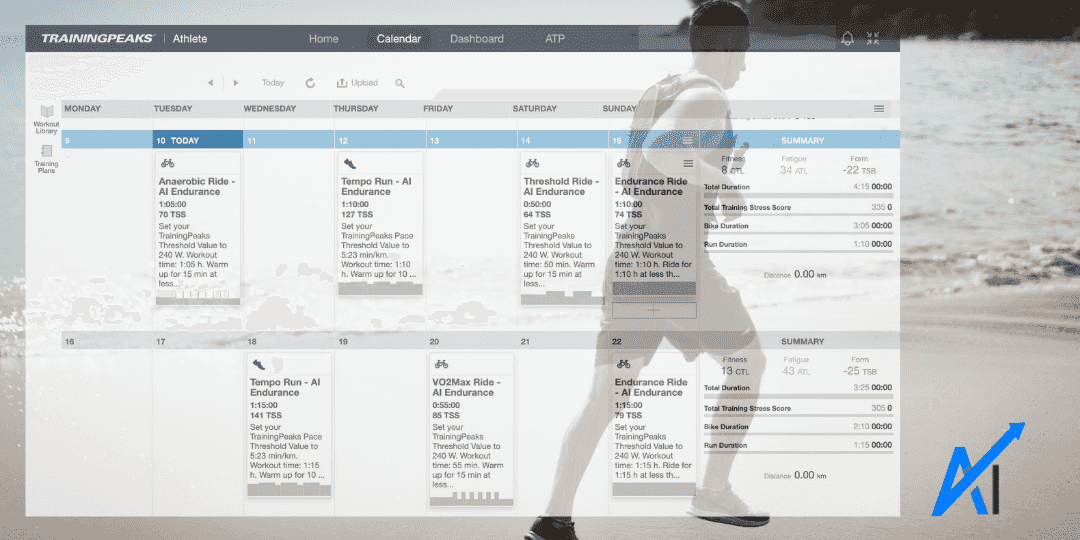
Get your AI Endurance best training plan into TrainingPeaks. From there, you can execute your TrainingPeaks workouts in Zwift and many other apps. Connect your AI Endurance account once and any changes will automatically be synced with TrainingPeaks.
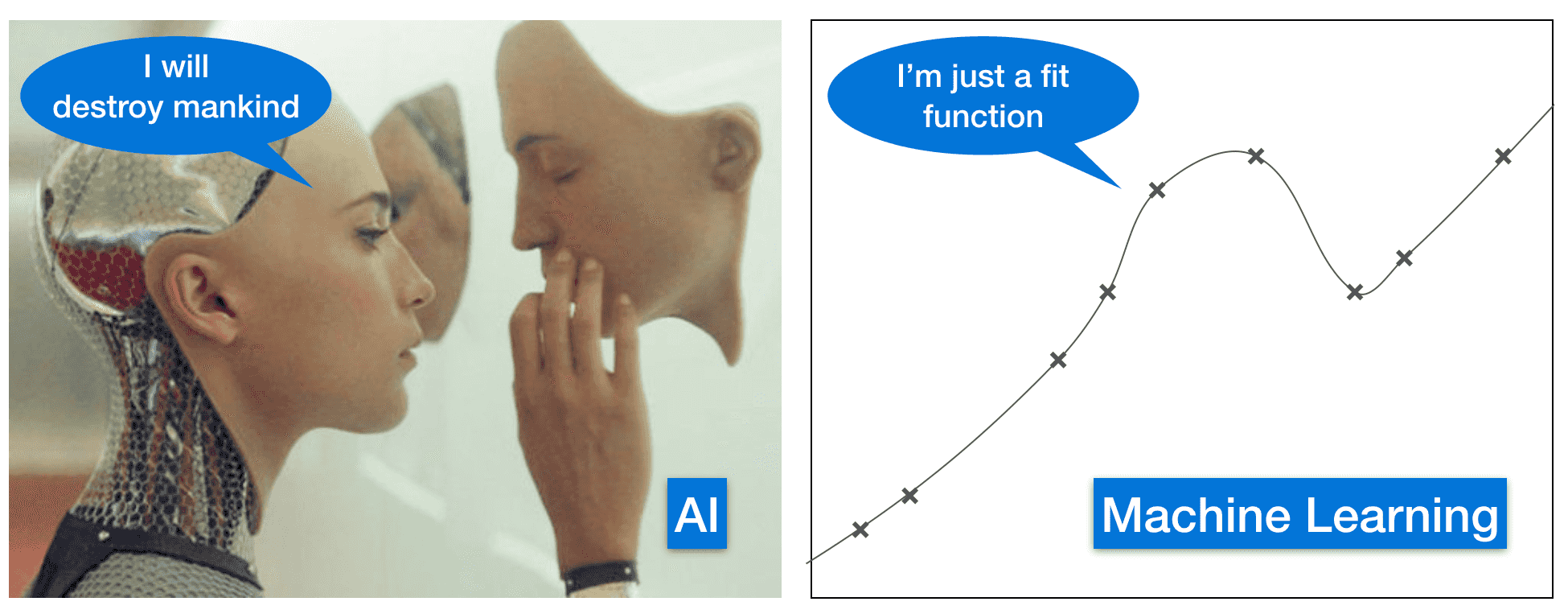
AI has great potential to help us as endurance athletes improve our training. In this post we will discuss how AI endurance training works.
AI Endurance is a data-driven training platform. In order to maximally benefit from the training and have the program be most personalized to you, you'll want the best possible data to flow into the platform. Here's a few recommendations on how to achieve this.
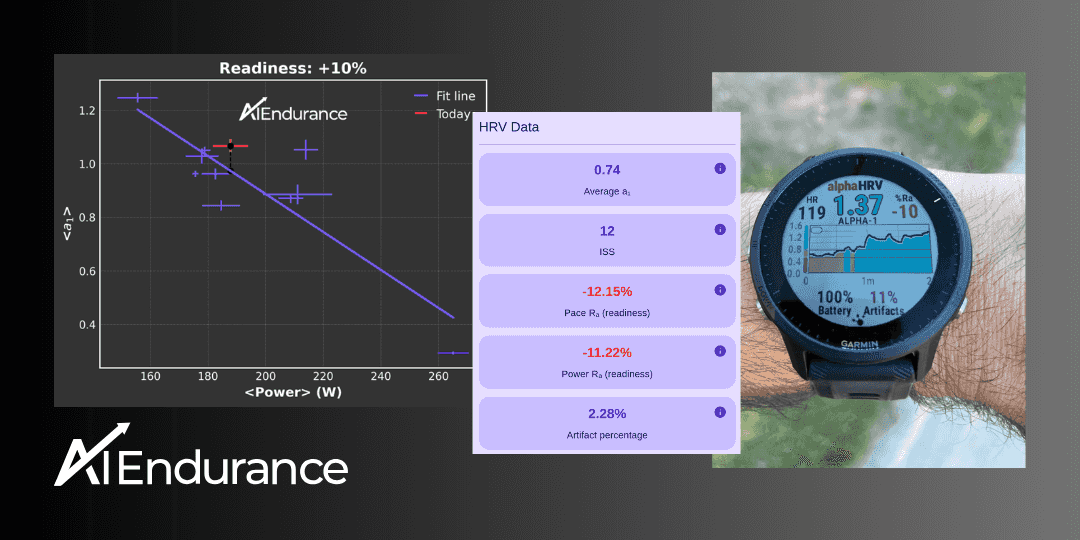
by Stefano Andriolo, Markus Rummel and Iñigo Tolosa. We present a new real time feature of evaluating readiness to train based on in-activity heart rate variability (HRV) measurements during the warm up of your activity. You can use this feature in the newest version of the alphaHRV Garmin Connect IQ app at no additional cost.

