Published Jun 14, 2023
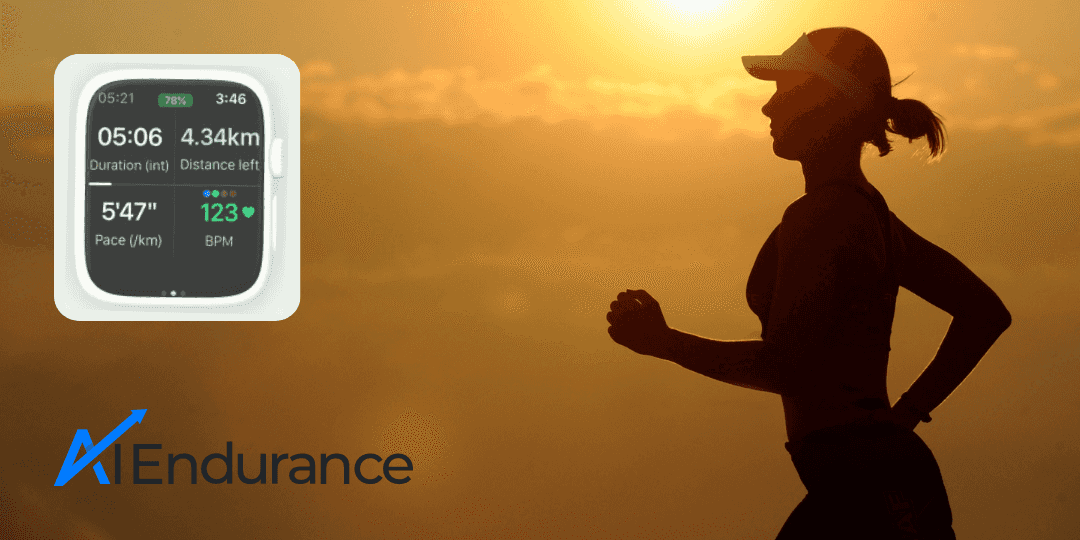
Apple Watch has been a popular choice in running and triathlon. You can now track and execute your AI Endurance custom running, cycling and swimming workouts on your Apple Watch.
Finding the ideal training regimen to align with your goals and abilities can be challenging. This is where our unique AI technology steps in to address this hurdle. Our custom workouts utilize the wealth of data gathered from your daily activities, heart rate, and previous workouts to create tailored training plans that meet your specific needs. Whether you're a beginner looking to build stamina or an experienced runner training for a marathon, these AI workouts offer a dynamic and intelligent approach to your training.
We have partnered with Watchletic to bring you the AI Endurance experience to your Apple Watch. Via Watchletic you can
Follow these steps to connect your Apple Watch to AI Endurance via Watchletic:
One of the most remarkable aspects of AI Endurance is the ability to learn and evolve alongside your progress. As you continue with these workouts, the AI algorithms become more familiar with your strengths, weaknesses, and preferences. This ongoing learning enables the system to refine and optimize your training plans, delivering a truly personalized and adaptive experience that propels you towards your desired outcomes.
With AI Endurance custom running workouts for Apple Watch, runners of all levels can benefit from optimized training plans that adapt to their progress, conveniently accessible from their wrists. Whether you aim to enhance your running endurance, set new personal records, or prepare for a specific race, our AI-powered workouts on Apple Watch provide the tools and guidance to help you efficiently and effectively achieve your goals. Embrace the power of AI and let your Apple Watch elevate your running experience to new heights.
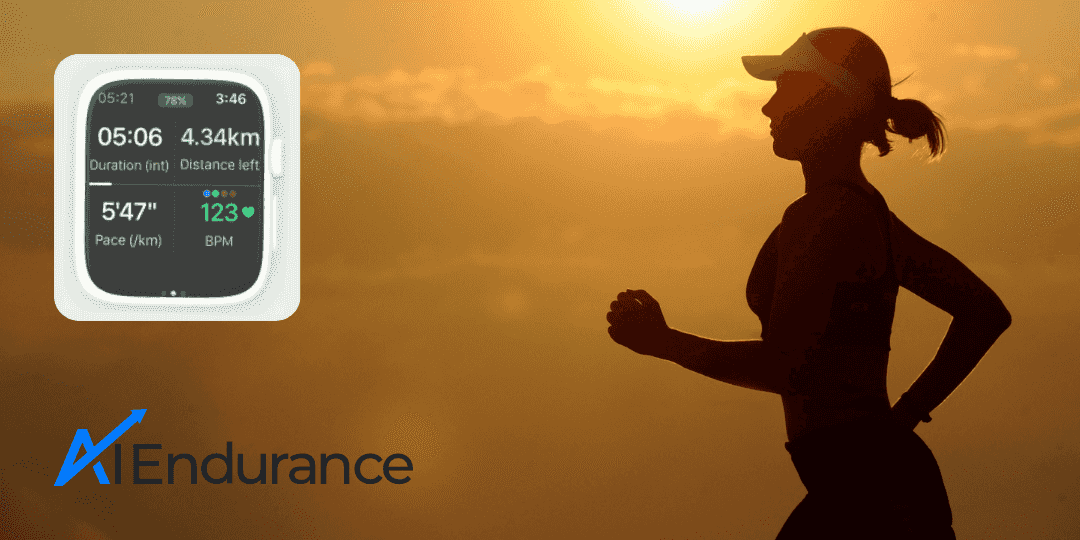
Apple Watch has been a popular choice in running and triathlon. You can now track and execute your AI Endurance custom running, cycling and swimming workouts on your Apple Watch.
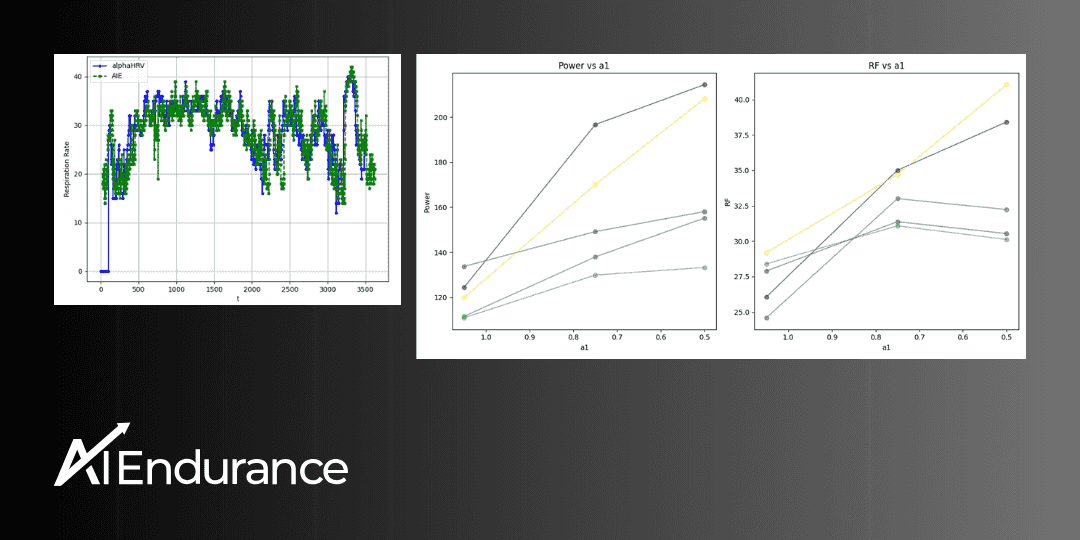
by Markus Rummel. We present the first results of AI Endurance's new capability to calculate Respiration Frequency (RF) from in-activity heart rate variability (HRV) data. RF demonstrates its potential in assessing the validity of HRV threshold determination.
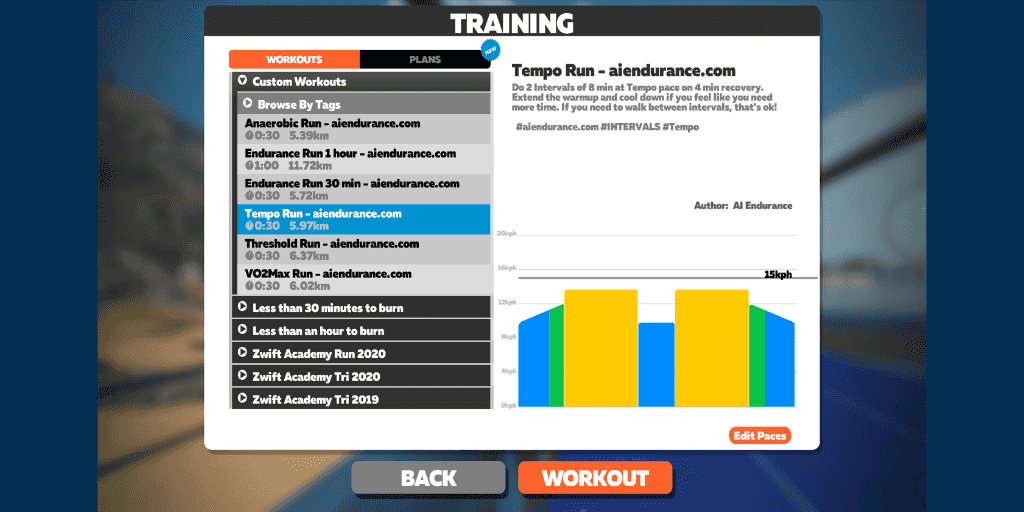
Use Zwift running workouts to increase your running pace with a data-driven, personalized and predictive Zwift running training plan from AI Endurance.
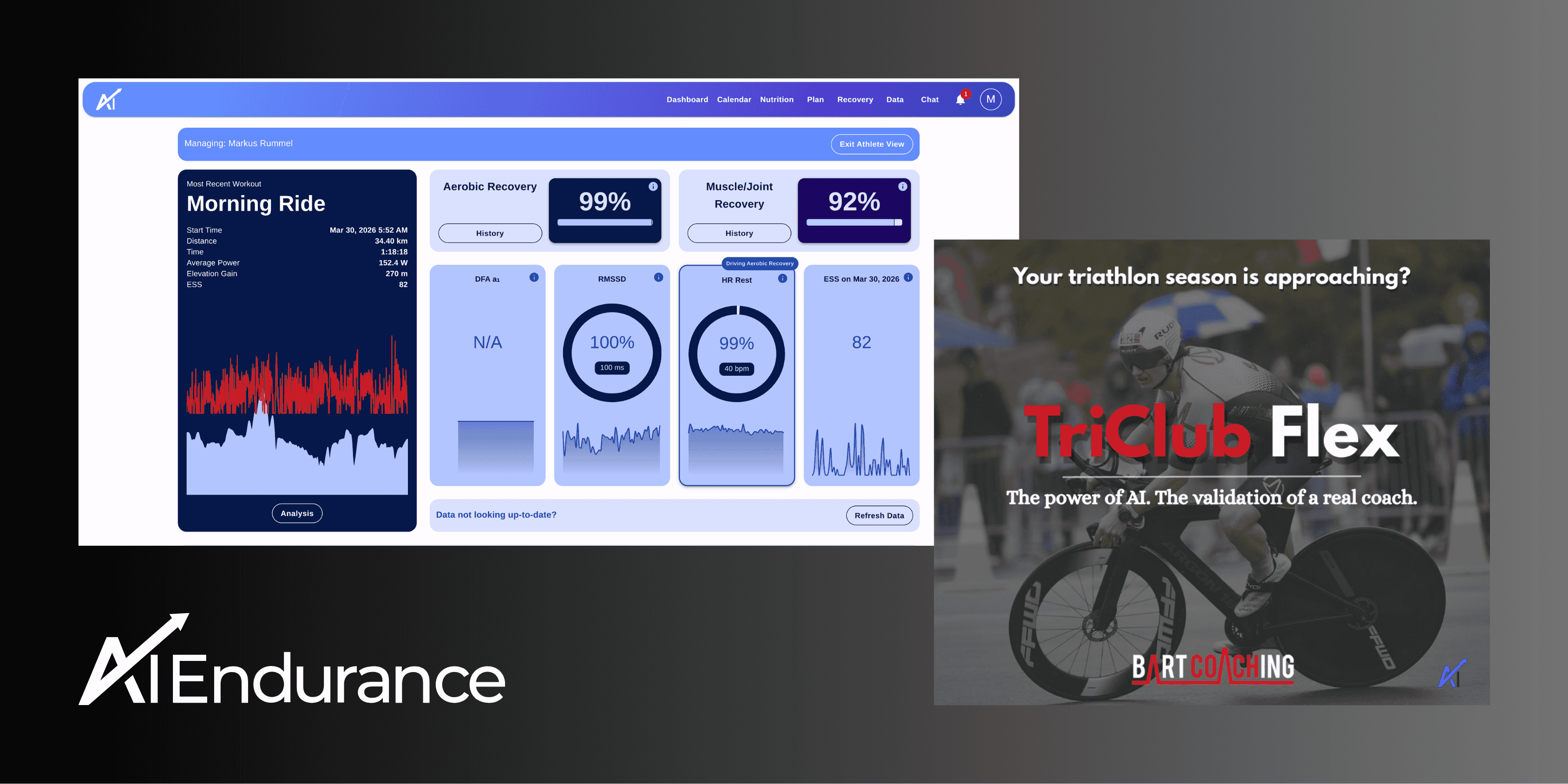
by Markus Rummel. Coaching endurance athletes well takes time. Reviewing data, adjusting plans, responding to how each athlete is recovering and progressing: there is a limit to how many athletes you can closely monitor before the quality of attention starts to drop.

