Published Apr 24, 2025
by Grant Paling. It has been a while. I hope you’ve all been ok. The winter months are hard. Darkness, cold, rain. It’s not always easy to get motivated to train. It’s also a time when maybe it’s a bit more appealing to stay on the sofa and watch some good TV - as you might guess from the blog title I’ve been watching Loki on Disney Plus, among other things (and yes I am a bit late to the party there).
Winter training has been good to be honest. Whilst it’s hard, it’s also for me always a time to give the body a bit of recovery. To have a bit of fun Zwift racing. And to not be as burdened by the glorious purpose of the races to come.
And yet…
When the races get booked, when the more solid goals appear, it’s different.
That 80 or 90% has suddenly gone to 100%. Beyond even. To 110%!
Even if you love exercise like I and I’m sure many of you do, having a goal (or a set of goals) just gives that extra edge. The excitement, the sense of purpose, the thing to look forward to and to motivate you.
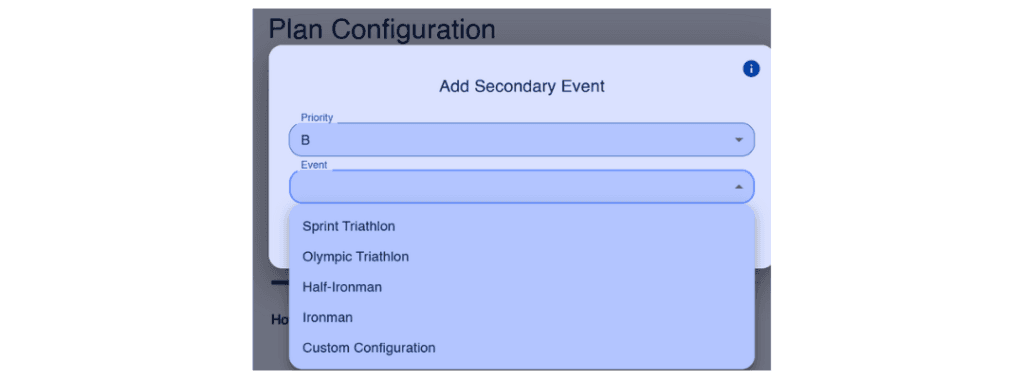
AI Endurance centers your training plan around your goal events. You can also select whether it is an A, B or C according to your priorities
That session you thought about missing, maybe now you get up earlier instead and make sure you make it (the lighter mornings help!).
That hard session where you were just going through the motions, maybe you push past your current limits again.
A goal doesn’t have to be a race or event. A goal can be a level of fitness, a feeling even, an establishment of good habits.
Whatever it is, it’ll give you extra.
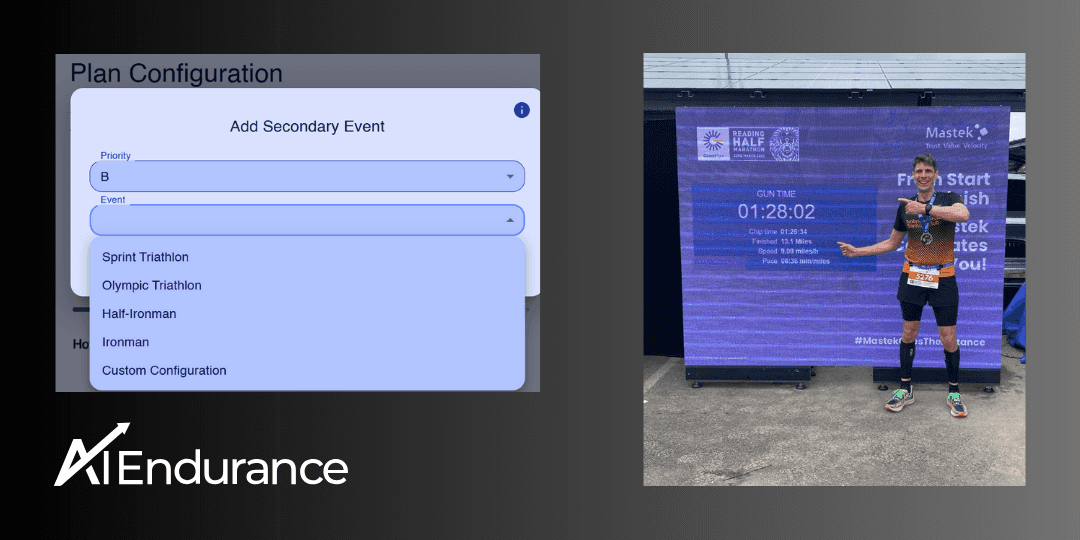
In working with AI Endurance, I’ve made huge gains the past 18 months. The latest one is taking 6 minutes off my half marathon personal best…without specifically training for a half marathon. More on that in the next blog.
But that doesn’t happen if you don’t play your part. And your part isn’t visible in the app. The plan is there and even the goal is there (one of the great things about AI Endurance - your training plan is not only based on your data, it’s really centered around your goals).
Your goals are yours. The AI can’t do it for you, it is just there to help show you the way.
I have my goals, I hope you can find yours.
When you do, you truly will have a glorious sense of purpose.
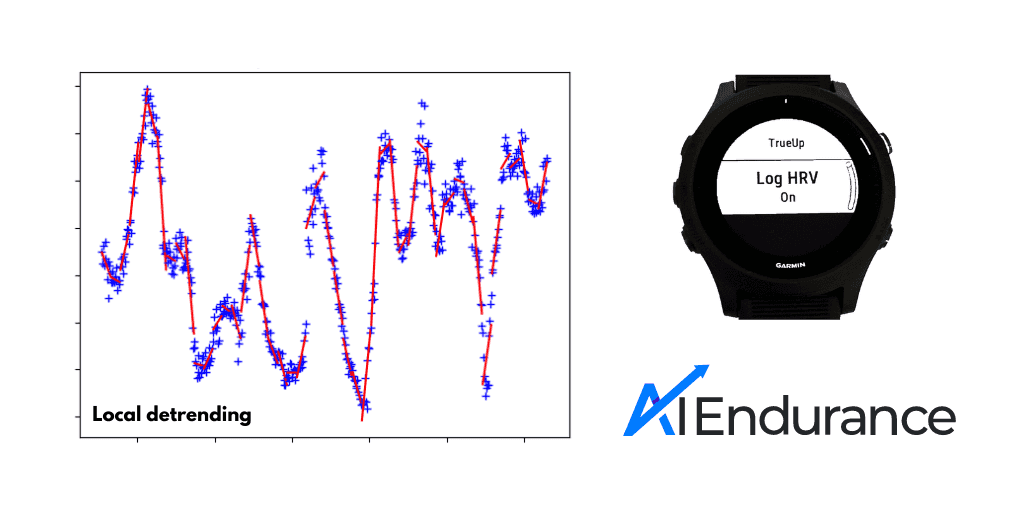
DFA alpha 1 lets you estimate your aerobic and anaerobic thresholds from heart rate variability, with no lab test and no dedicated test workout. A chest-strap HRV monitor like the Polar H10 is all you need for heart-rate thresholds; add power or pace data and you get corresponding thresholds in watts or pace units too. Here is how it works and how accurate it is.
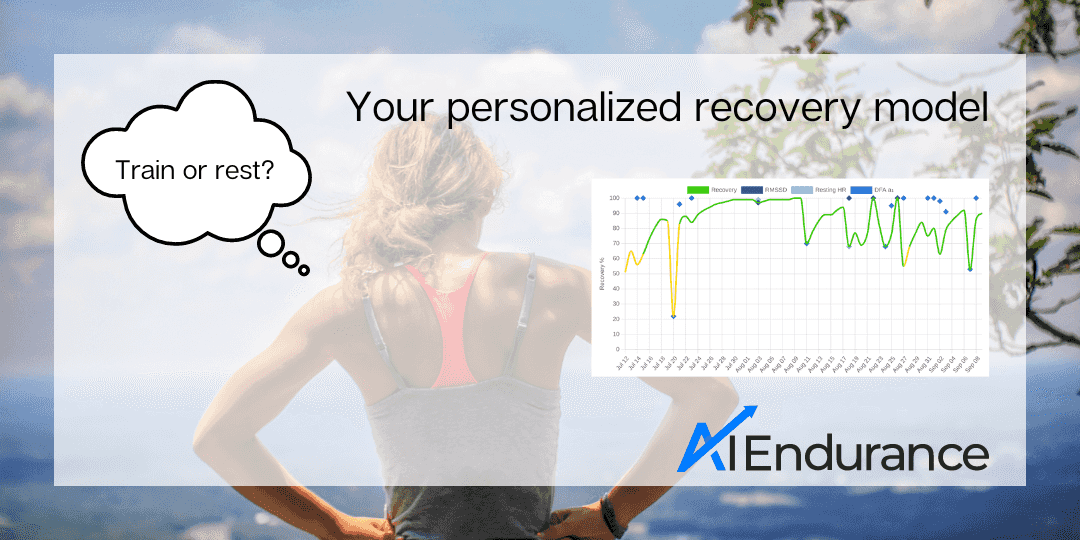
Before every workout you should know if you're actually ready for it. Everyone responds differently to stress, bad sleep and exercise fatigue - our new recovery model makes data driven decisions about when you should train and when you shouldn't - based on heart rate variability (HRV).
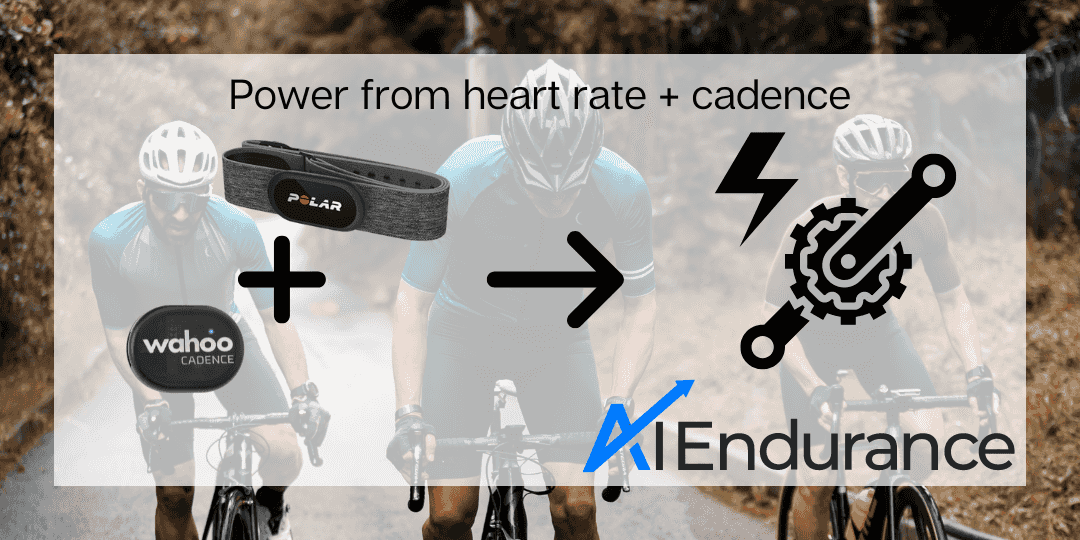
Power meters are costly and we often can't afford one on every bike we own. AI Endurance calculates cycling power from activities without a power meter using heart rate, cadence and DFA alpha 1. The results are generally more accurate than speed based estimates such as Strava's estimated power. All you need is a heart rate monitor and ideally a cadence sensor on your bike and AI Endurance will estimate your power for every ride.
by Markus Rummel. Last month I presented our durability research at the Science in Cycling symposium in Bromont, Quebec. The question behind the talk: can you measure how well an athlete holds up over a long ride from the data they already record in training, without a lab test? In other words, can you measure your cycling durability from everyday rides? The short answer is yes, and this post explains how, what we found, and why it matters for your training.

