Published Feb 17, 2022 · Updated Sep 4, 2024
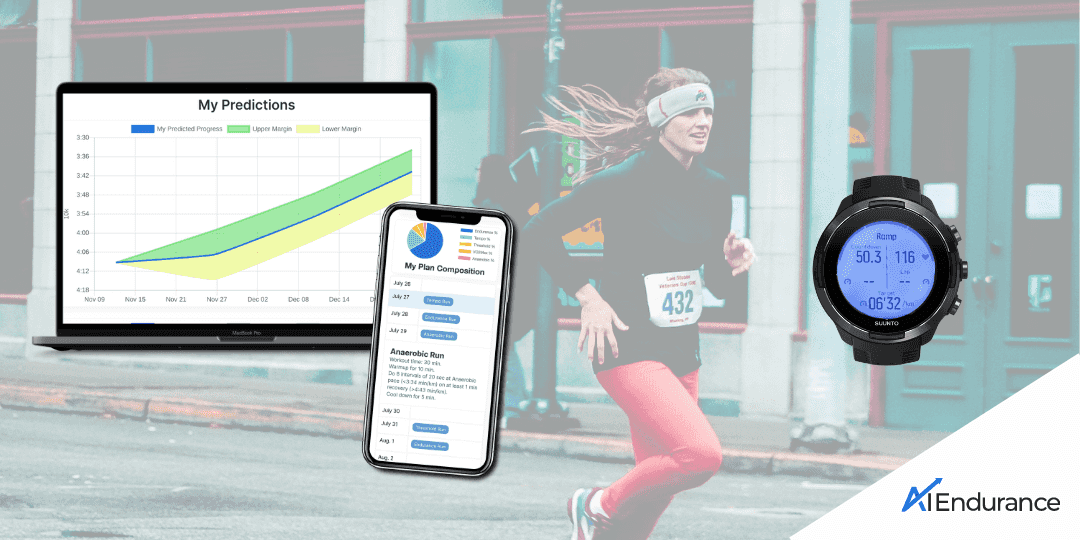
We show you in a few simple steps how to connect Suunto Guides with your AI Endurance account. You can get live workout instructions that are optimized to you by our AI. You can also easily determine your training zones and thresholds via a simple ramp test that utilizes your heart rate variability (HRV) data.
Synchronisation between AI Endurance and Suunto is automatic: whenever you request a new plan or modify your workouts, we will automatically forward these changes to Suunto Guides.
We import your Suunto history so our AI can learn which training has worked best for you in the past. AI Endurance predicts your future performance if you stick to your plan. We regularly assess your progress and if necessary let the AI re-calculate your optimal plan for your Suunto Guides.
Connect your Suunto to AI Endurance: Go to your Suunto App profile -> Partner Services -> Connect AI Endurance
We automatically update your zones and thresholds from your in-activity HRV data using DFA a1. Your Suunto watch automatically records your HRV data if you wear a high quality heart rate strap such as the Suunto Smart Sensor.
If you want to assess your zones and thresholds right away you can perform a simple ramp test in Suunto Guides with only a few steps:
It is important for constructive training to have your training zones set correctly. AI Endurance takes out the guesswork by continuously monitoring your training zones. By utilizing the most recent research in HRV, we can set these parameters without the need of a physiology lab. You only need to wear a heart rate strap that records high quality HRV data.
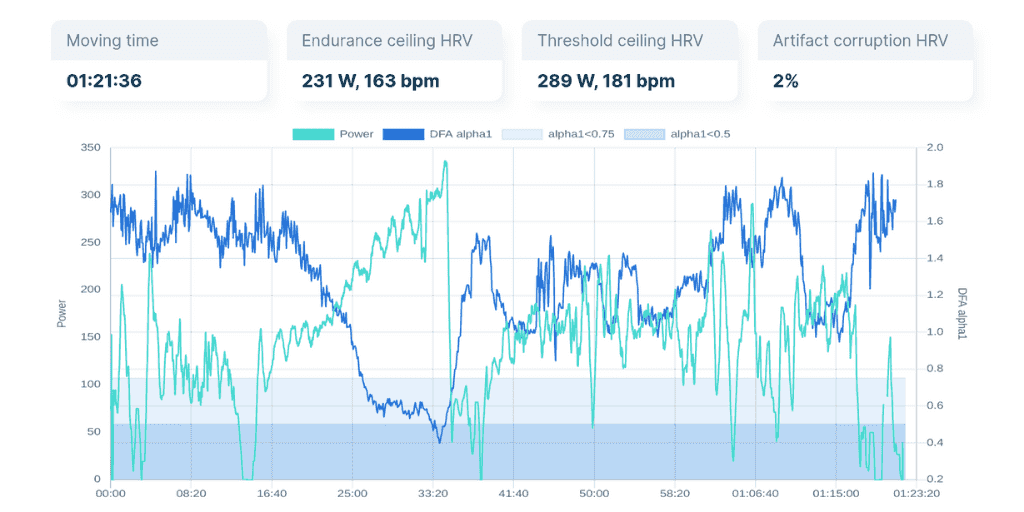
Track your aerobic and anaerobic thresholds from DFA alpha 1, the heart rate variability metric, with the AI Endurance app. This guide covers every device that records it: Garmin and Suunto watches and bike computers, the Hammerhead Karoo with our on-device extension, and the Apple Watch with Watchletic.
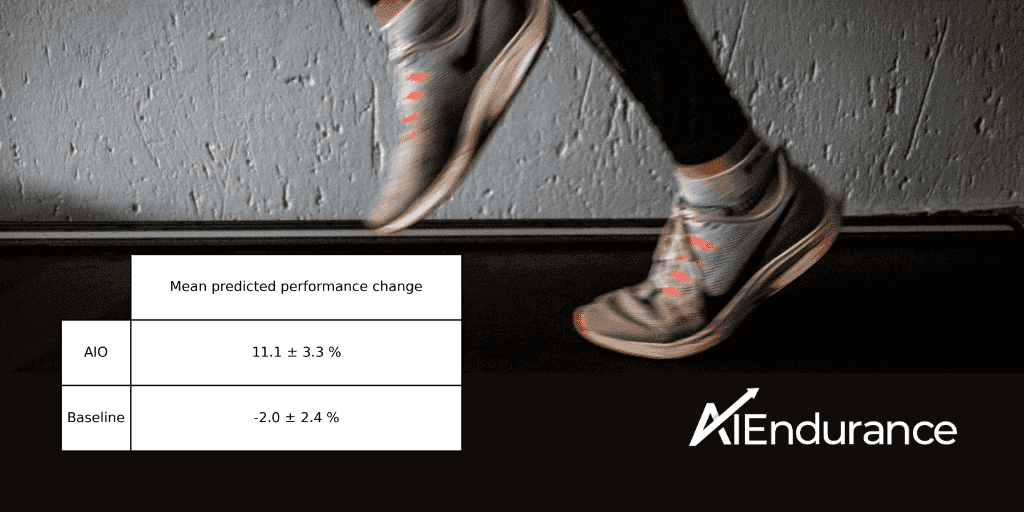
We compare polarized training, threshold training and AI optimized endurance training. AI optimized training yields the best results, followed by polarized training with threshold training in third. The results are inline with current exercise physiology research. If the training composition is not optimized to the individual athlete, substantially smaller gains are to be expected.
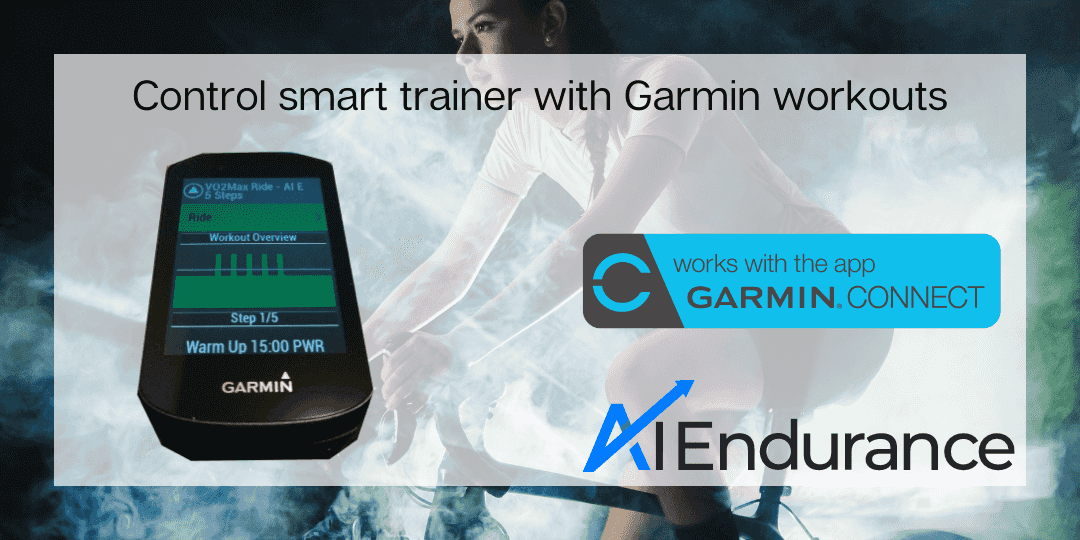
If you do not want to use Zwift or other virtual platforms, you can simply execute your AI Endurance cycling workouts by letting your Garmin control your smart trainer. For example, let your Garmin Edge 530 or Forerunner 945 control your Wahoo Kickr trainer. All smart trainers supporting the ANT+ FE-C protocol, including Tacx, are supported.
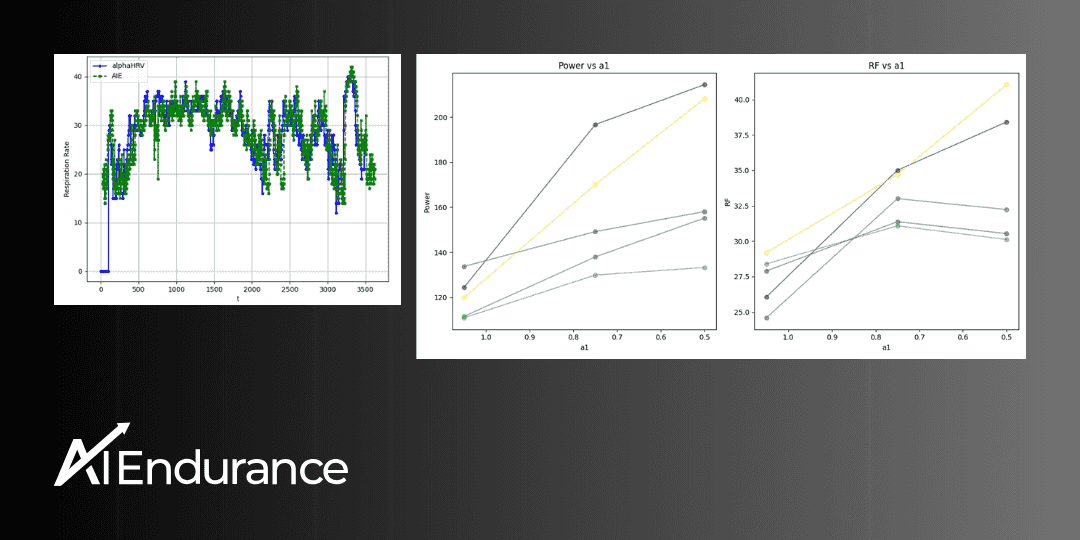
by Markus Rummel. We present the first results of AI Endurance's new capability to calculate Respiration Frequency (RF) from in-activity heart rate variability (HRV) data. RF demonstrates its potential in assessing the validity of HRV threshold determination.

